
Are subfloor inspections important?

What’s Hiding Under the House? Why the Subfloor Matters
When buying a house, most people naturally focus on what they can see — the kitchen, bathrooms, bedrooms, roof and exterior. But some of the most useful information about a property can be found underneath it.
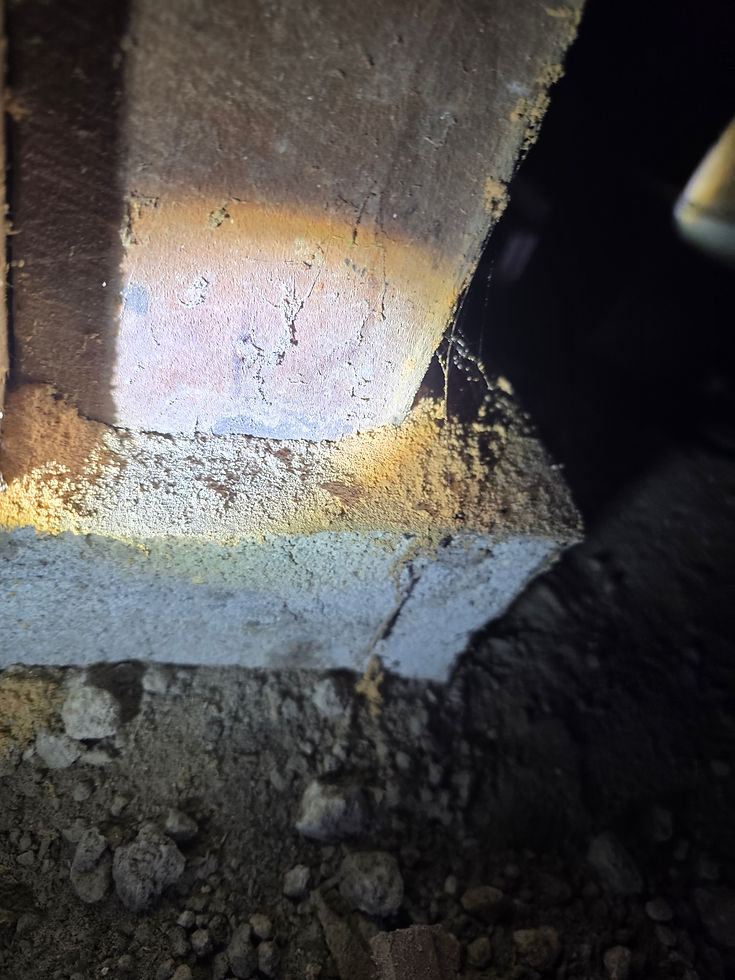
During a recent pre-purchase inspection in Torbay, I found several issues within the subfloor, including Dux Quest plumbing, signs of borer activity and borer dust, water staining around plumbing, and other areas requiring maintenance or repair.
None of these findings automatically mean you should walk away from a property. In this particular case, the issues were at a level where they could be addressed. The important thing is knowing they are there before you buy.
Dux Quest Plumbing
Dux Quest is an older plastic plumbing system commonly found in New Zealand homes from the 1970s and 1980s. It has a history of deterioration and failures as it ages, and many insurers are cautious about properties where it is still installed.
Finding Dux Quest doesn't necessarily mean the plumbing is currently leaking, but a purchaser should be aware that replacement may be required and factor that potential cost into their decision.
Borer and Borer Dust
Borer is another common finding, particularly underneath older timber homes. Small flight holes in the timber and fresh-looking borer dust can indicate insect activity.
The extent is what matters. A few affected areas are very different from widespread damage to structural timbers. During an inspection, we're looking at where the activity is occurring, how extensive it appears to be and whether there are signs that the timber itself has been significantly compromised.
Water Staining Around Plumbing
Water staining underneath bathrooms, kitchens and other plumbing areas can provide valuable clues about current or previous leaks.
Sometimes the source is relatively straightforward — a leaking waste connection, pipe fitting or plumbing fixture. Other times, staining can indicate a longer-term problem that needs closer attention.
This is one of the reasons inspecting underneath a house is so important. A bathroom floor might look perfectly normal from inside the house while the underside tells a completely different story.
Not Every Defect Is a Deal Breaker
Finding defects during a building inspection doesn't necessarily mean a house is a bad purchase.
Most houses have issues, particularly older properties. What matters is knowing what you're buying and understanding the likely repairs and maintenance ahead.
If an inspection identifies several thousand dollars' worth of plumbing, borer treatment, timber repairs or other maintenance, that information can be considered when deciding what you're prepared to offer or, in an auction situation, where to set your maximum bid.
A house may still be a great purchase — but paying a price that assumes everything is perfect when there are known repairs required is a different story.
This Is Why We Get Under Houses
Where safe and accessible, the subfloor is an important part of our pre-purchase inspections.
We look for things such as:
Plumbing leaks and older/problematic pipework
Borer activity and timber deterioration
Rot and decay
Moisture and water staining
Inadequate or damaged piles and foundations
Poor ground clearance
Missing or damaged insulation
Drainage and groundwater issues
Unconsented or questionable alterations
Structural modifications and previous repairs
Sometimes what we find is minor. Sometimes it changes a buyer's understanding of the property completely.
The purpose of a building inspection isn't to make every defect sound frightening. It's to give you enough information to understand what you're actually buying, what may need attention and what those repairs could mean financially.
Book a Builder Property Inspections
Qualified builders carrying out pre-purchase inspections across Auckland.


Comments