
Bookabuilder House Inspection Guide: Essentials for Every Homebuyer

Updated: Sep 18
Buying a home in Devonport is exciting, but it can also be a bit nerve-wracking. You want to make sure the property you’re eyeing is solid, safe, and worth your investment. That’s where a thorough house inspection comes in. It’s your chance to uncover hidden issues before you sign on the dotted line. Let me walk you through the essentials of house inspections for Devonport homes, so you can feel confident and informed every step of the way.
Book a builder House Inspection Guide: What You Need to Know
When you’re looking at homes in Devonport, inspections are not just a formality—they’re a crucial step. The area’s unique climate and older housing stock mean certain issues pop up more often than you might expect. For example, moisture problems and timber decay are common concerns here. Knowing what to look for can save you thousands in repairs later.
A good inspection covers everything from the roof to the foundations. You want to check:
Roof condition: Look for missing or damaged tiles, signs of leaks, and gutter blockages.
Structural integrity: Cracks in walls or uneven floors can signal foundation problems.
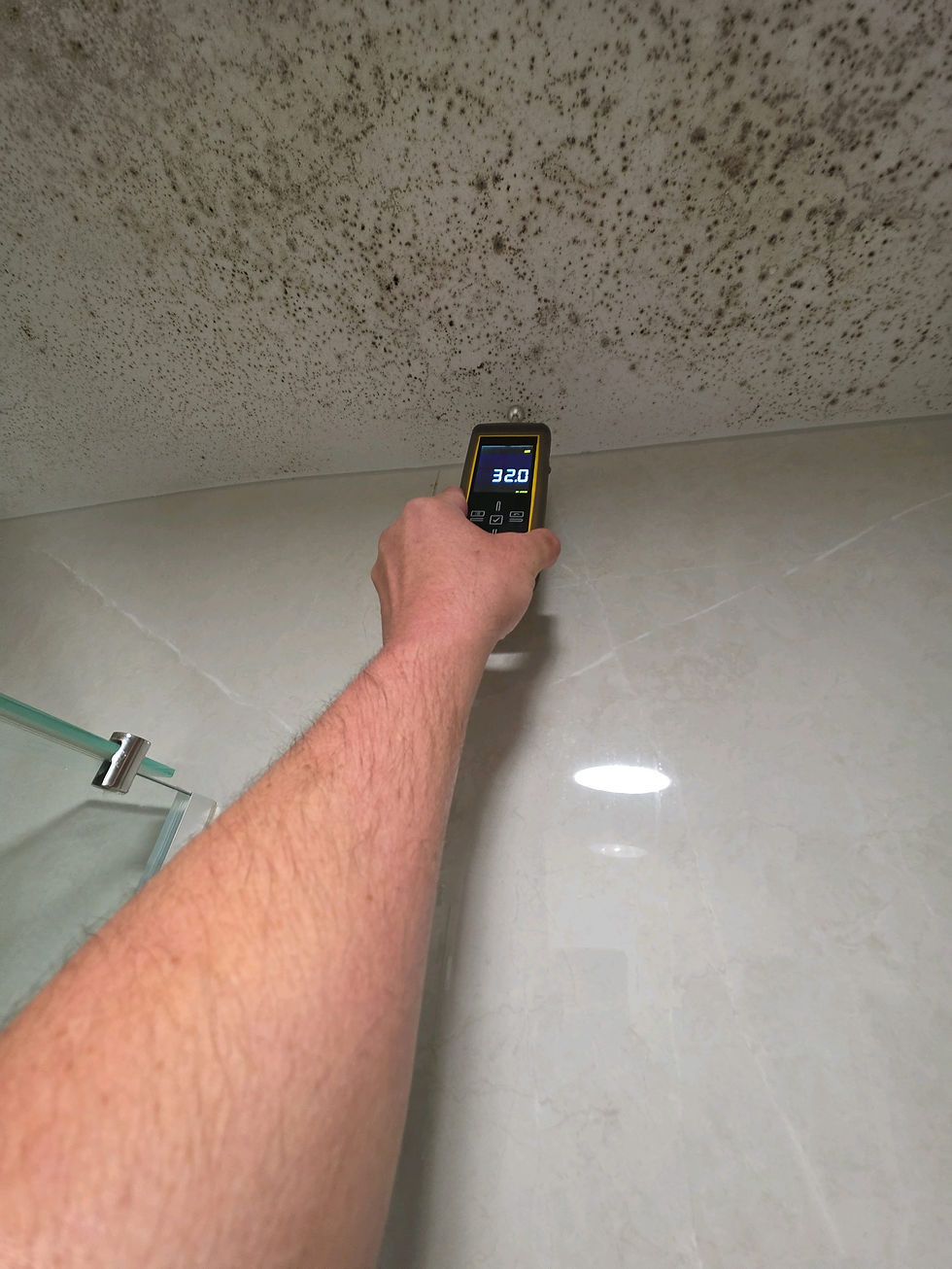
Damp and mould: Check under sinks, around windows, and in basements.
Electrical systems: Faulty wiring is a safety hazard and expensive to fix.
Plumbing: Leaks or old pipes can cause water damage and increase bills.
Pests: Termites and other pests are a real threat in Devonport homes.
A professional inspector will provide a detailed report, but it helps to know what they’re looking for. That way, you can ask the right questions and understand the findings better.
Are landlords allowed to look in cupboards?
This question often comes up, especially if you’re buying a rental property or planning to rent out your new home. The short answer is: landlords generally do not have the right to enter tenants’ cupboards or private spaces without permission. Privacy laws protect tenants, and landlords must give proper notice before entering the property.
However, during a house inspection, especially pre-purchase or routine maintenance, inspectors or landlords might need to check cupboards for signs of leaks, mould, or pest infestations. This is usually done with the tenant’s consent or during vacant periods.
If you’re a buyer, it’s good to clarify with your inspector or agent what areas will be accessed during the inspection. Transparency helps avoid misunderstandings and ensures you get a full picture of the property’s condition.
Key Areas to Focus on During Your Inspection
Let’s break down the most important parts of a Devonport home to inspect closely:
Roof and Gutters
Devonport’s coastal weather means roofs take a beating. Salt air can corrode metal, and heavy rain can cause leaks. Look for:
Broken or missing tiles
Rust on metal flashing
Blocked or damaged gutters
A damaged roof can lead to water damage inside the home, so don’t overlook this.
Foundations and Walls
Check for cracks, bulges, or damp patches on walls. These might indicate foundation issues or water ingress. Older homes might have timber frames that need checking for rot or termite damage.
Windows and Doors
Are they sealed properly? Drafty windows or doors can increase heating costs and let moisture in. Check for rot in wooden frames and ensure locks work well.
Plumbing and Electrical
Turn on taps and flush toilets to check water pressure and drainage. Look under sinks for leaks. For electrical, check the condition of switches and outlets. Faulty wiring is a fire risk and costly to fix.
Interior and Exterior
Inside, look for mould, stains, or peeling paint. Outside, check the condition of fences, decks, and driveways. These might not be structural but can affect your enjoyment and maintenance costs.
Why You Should Always Book a Professional Inspection
You might be tempted to do a quick walk-through yourself, but a professional inspector brings expertise and experience that you just can’t match. They know the common issues in Devonport homes and have the tools to spot hidden problems.
A professional report will:
Highlight urgent repairs
Estimate repair costs
Identify safety hazards
Help you negotiate the price or request fixes before buying
Remember, a thorough inspection is an investment in peace of mind. It’s better to spend a few hundred dollars now than face unexpected repairs later.
If you want to find trusted experts, consider booking through reliable services that specialise in house inspections devonport. They offer quick, clear, and expert-backed reports tailored to the local market.
Making the Most of Your Inspection Day
On the day of the inspection, be prepared and involved. Here are some tips:
Attend the inspection: Seeing the property with the inspector helps you understand the issues.
Ask questions: Don’t be shy. If something isn’t clear, ask for explanations.
Take notes and photos: This helps you remember details later.
Check the report carefully: Review the findings and ask for clarification if needed.
By being proactive, you’ll feel more confident about your purchase and avoid surprises.
Final Thoughts on Book a builder Home Inspections
Buying a home is a big step, and inspections are your best tool to make it a smart one. Devonport homes have their quirks, but with the right knowledge and a thorough inspection, you can find a property that’s safe, sound, and ready for your next chapter.
Don’t rush this process. Take your time, ask questions, and rely on experts who understand the local market. Your future self will thank you for it.
Happy house hunting!


Comments